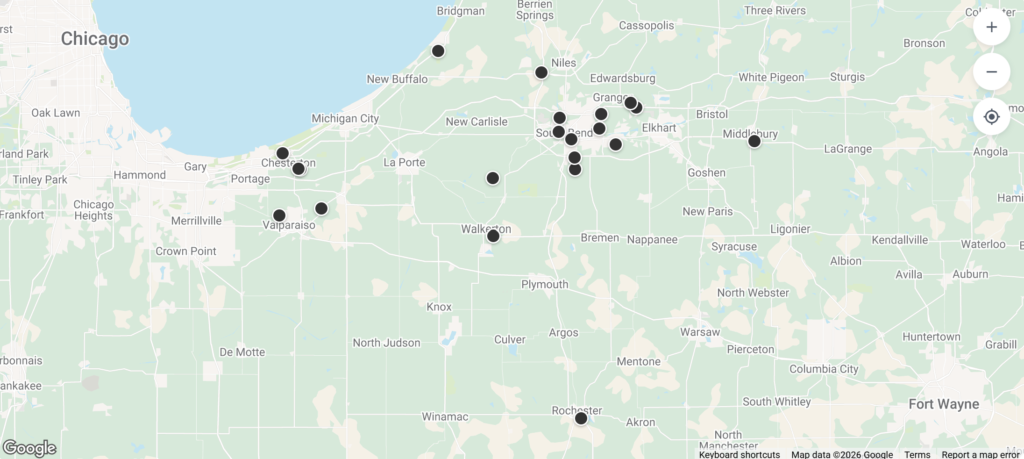
Flooding in La Porte moves fast, especially in areas near Pine Lake, Stone Lake, and the older basements off Indiana Ave where water spreads through walls and flooring almost immediately. What most homeowners don’t realize is that insurance coverage begins narrowing the moment water enters the home. Adjusters look for timing, proof, and proper mitigation, and any delay can be used to reduce or deny a claim. BlueRed Restoration responds quickly with timestamped photos, moisture readings, and water‑migration maps that clearly show the loss was sudden and accidental—the exact classification your policy requires for coverage.
Our team understands how La Porte’s lake‑effect storms, sump pump failures, and older home construction create fast‑moving damage that must be documented immediately. Every step we take—from rapid extraction to insurance‑grade drying reports—is designed to protect your coverage and prevent secondary damage that insurers often refuse to pay for. With BlueRed Restoration, you get fast local response, full claim‑ready documentation, and a team that knows exactly what adjusters need to approve your loss.
Protect Your Claim | La Porte
- Why Fast Action Matters for La Porte Insurance Claims
- Flooded Basement Pump‑Outs After Heavy La Porte Rain
- Moisture Mapping That Supports Your Adjuster’s File
- Structural Drying That Prevents Denied Claims
- Lake‑Effect Storm Intrusion and Roof Leak Documentation
- Burst Pipe & Plumbing Failure Claims Support
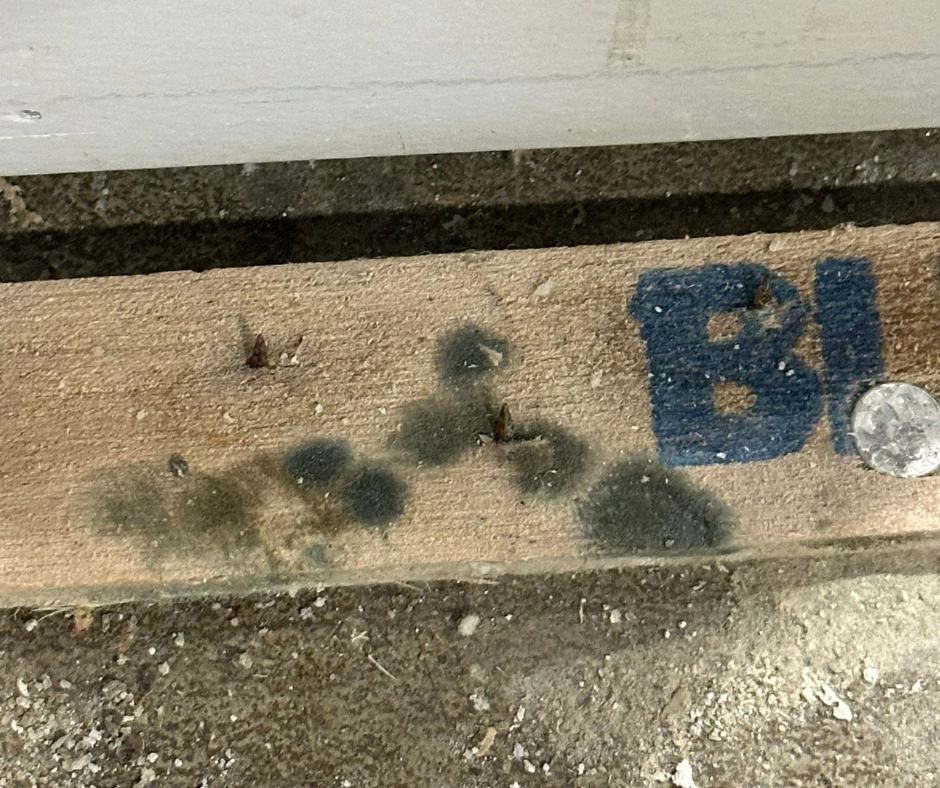
- Mold Prevention That Protects Your Coverage
- Crawl Space Flooding & Subfloor Documentation
- Fire & Smoke Damage With Full Insurance Reporting
- Insurance‑Ready Photos, Reports, and Scope Notes
- Local La Porte Technicians Who Know How Claims Work Here
Why Fast Action Matters for La Porte Insurance Claims
Insurance companies in La Porte judge flood claims by speed, proof, and proper mitigation, and those three factors start working against you the moment water enters the home. Adjusters want to see timestamped photos, initial moisture readings, and clear evidence of immediate action—anything missing can be used to reduce or deny coverage. In flood‑prone areas near Pine Lake, Stone Lake, and the older basements off Indiana Ave, water spreads fast, so the documentation must move even faster to keep the loss classified as sudden and accidental.
Secondary damage is the biggest threat to your claim. Mold, swelling, odor, and microbial growth can begin within 24–48 hours in La Porte’s lake‑effect humidity, and insurers often refuse to pay for anything they consider “preventable.” Fast extraction, insurance‑grade drying reports, and daily moisture logs prove the home was stabilized correctly and on time. Acting quickly protects your property—and protects the coverage you’re entitled to.
Flooded Basement Pump‑Outs After Heavy La Porte Rain
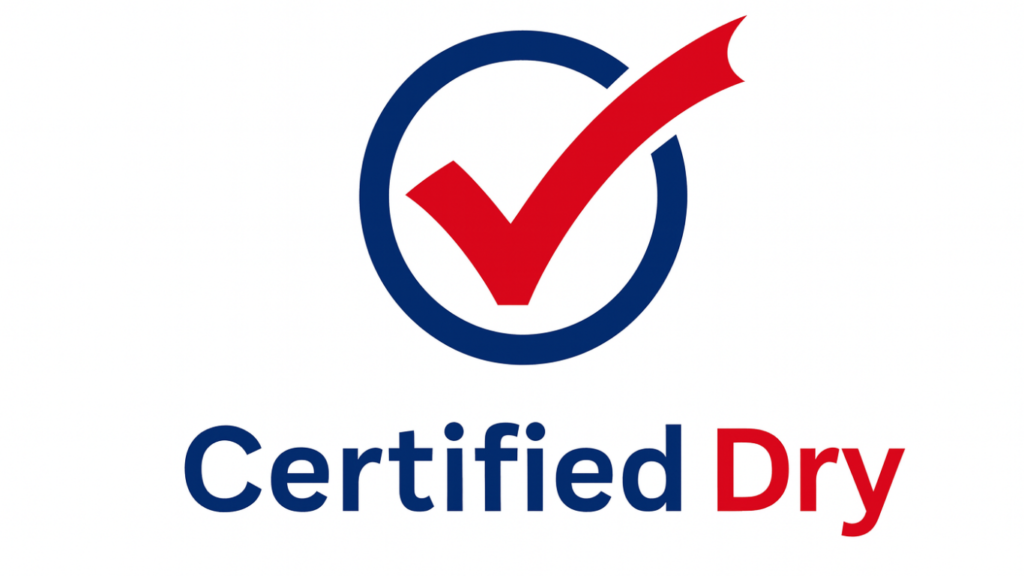
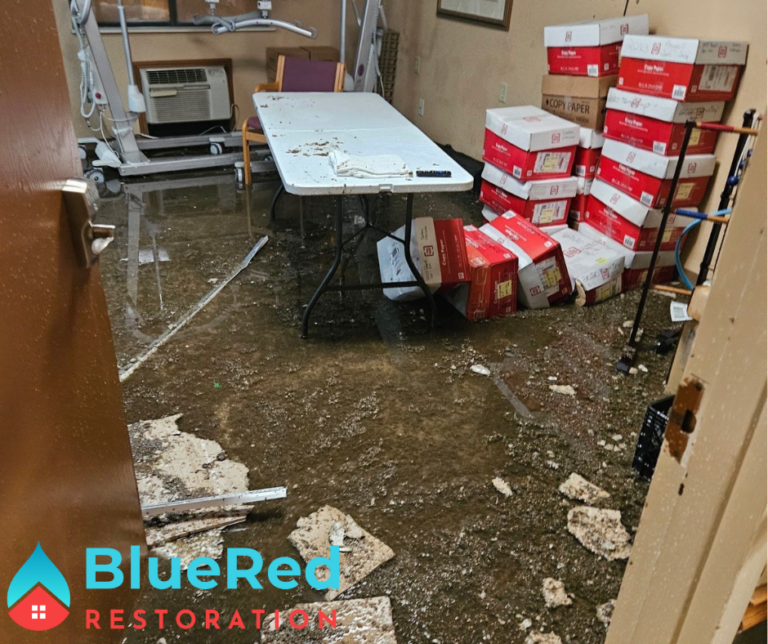
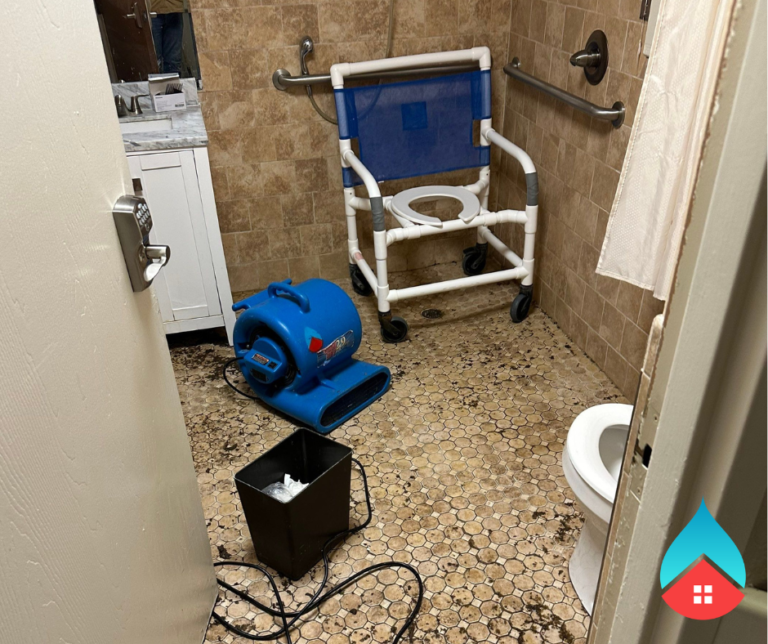
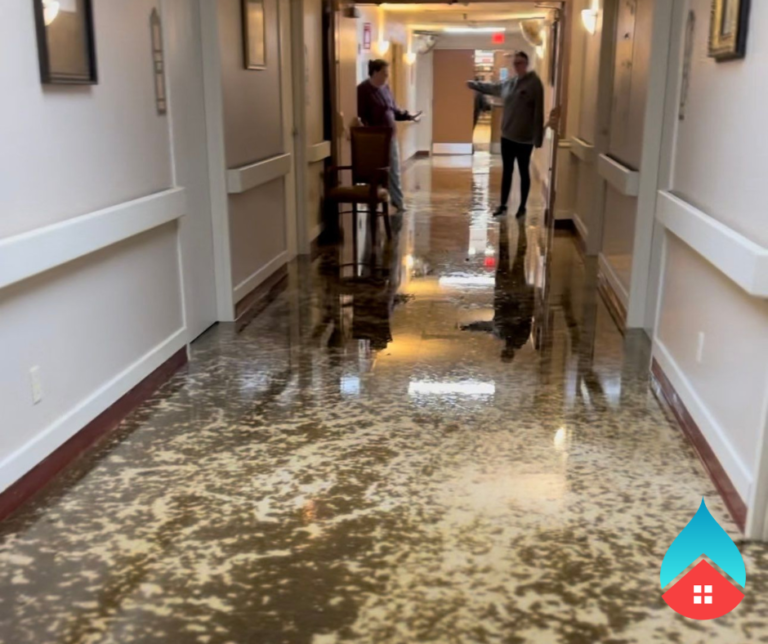
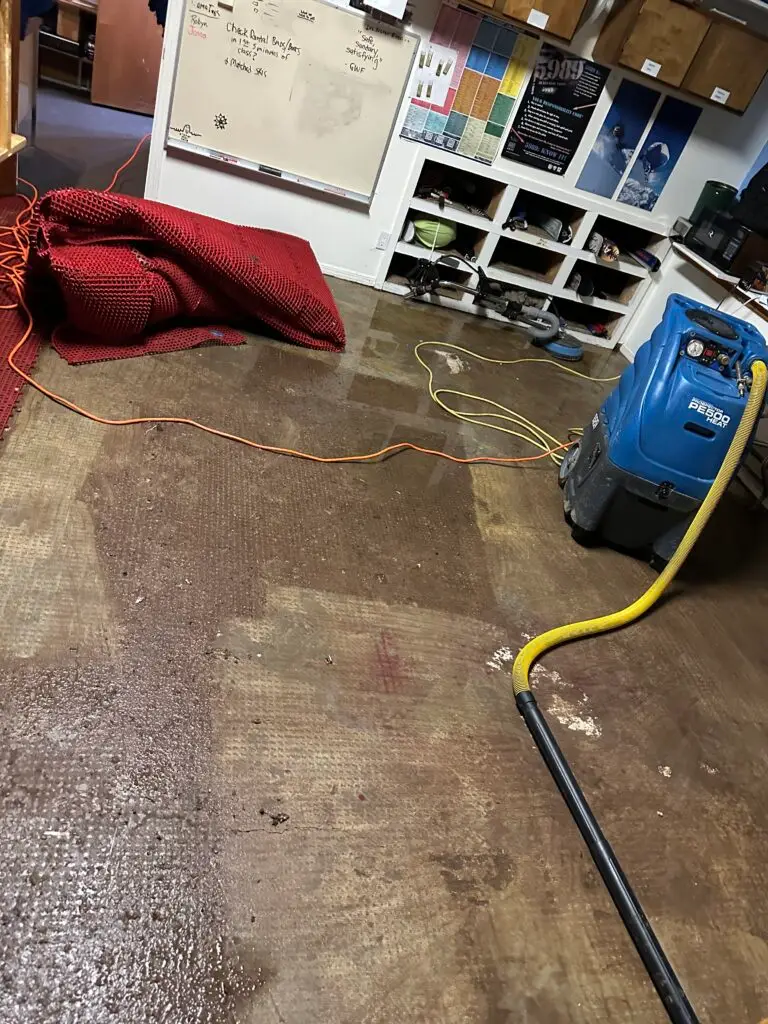
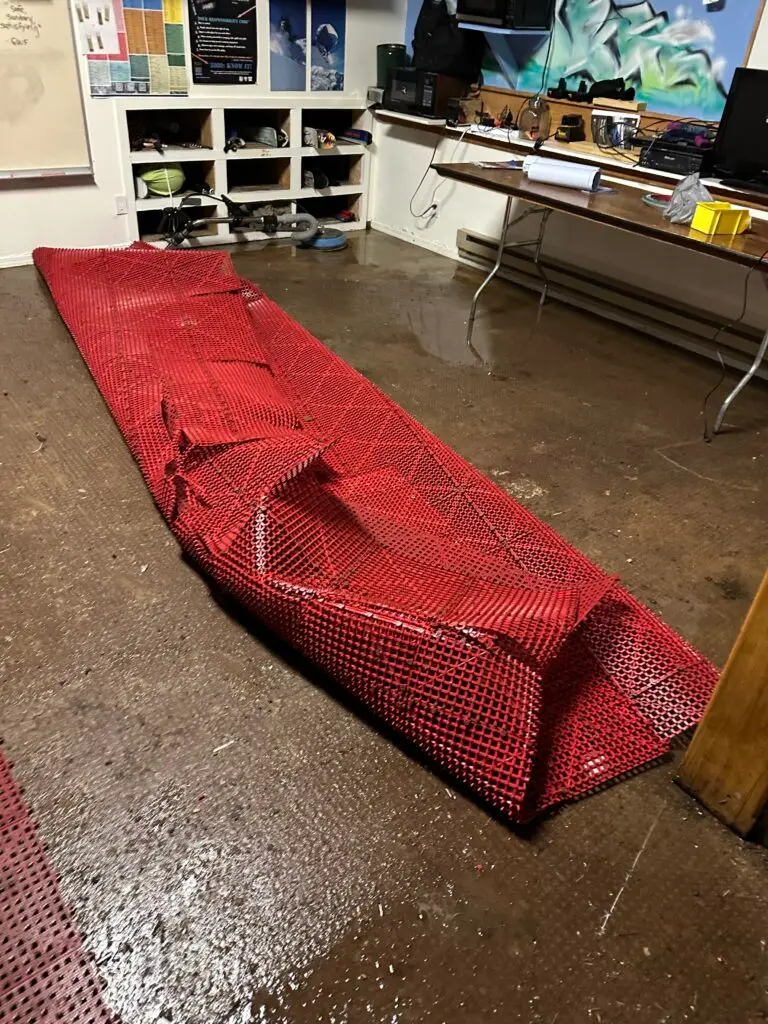
Basement flooding in La Porte usually starts with the same pattern: fast lake‑effect rain, overwhelmed sump pumps, and older foundations that let water in before homeowners even realize what’s happening. When that water rises, insurance companies expect immediate action, clear proof, and proper mitigation—not excuses. We move fast with high‑capacity pumps, timestamped photos, and initial moisture readings that show the flooding was sudden, accidental, and fully eligible for coverage.
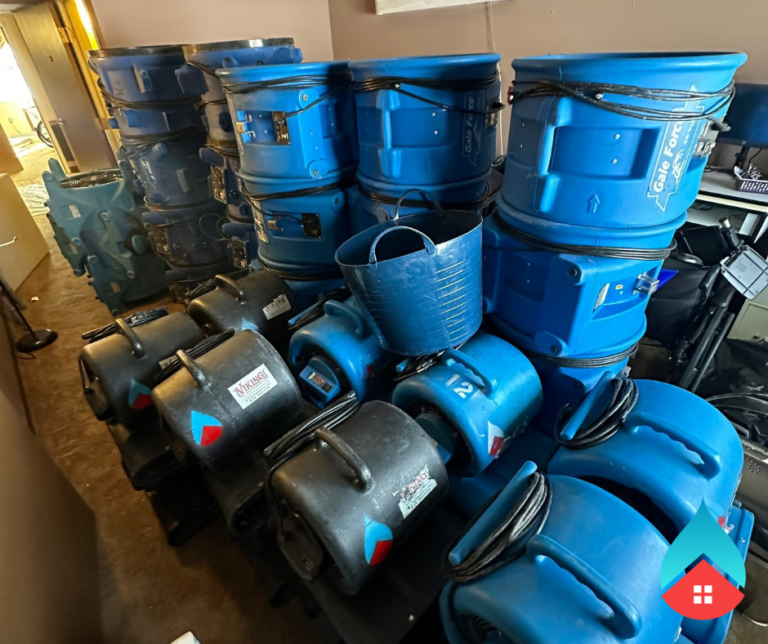
The real danger comes in the hours after the water enters. Mold, odor, subfloor saturation, and wall damage can begin within a day in La Porte’s humidity, and insurers often refuse to pay for anything they consider “preventable.” Our team stabilizes the basement quickly with industrial air movers, dehumidifiers, and insurance‑grade drying logs that prove the home was mitigated correctly and on time. Fast pump‑outs protect your basement—and protect the coverage your policy promises.
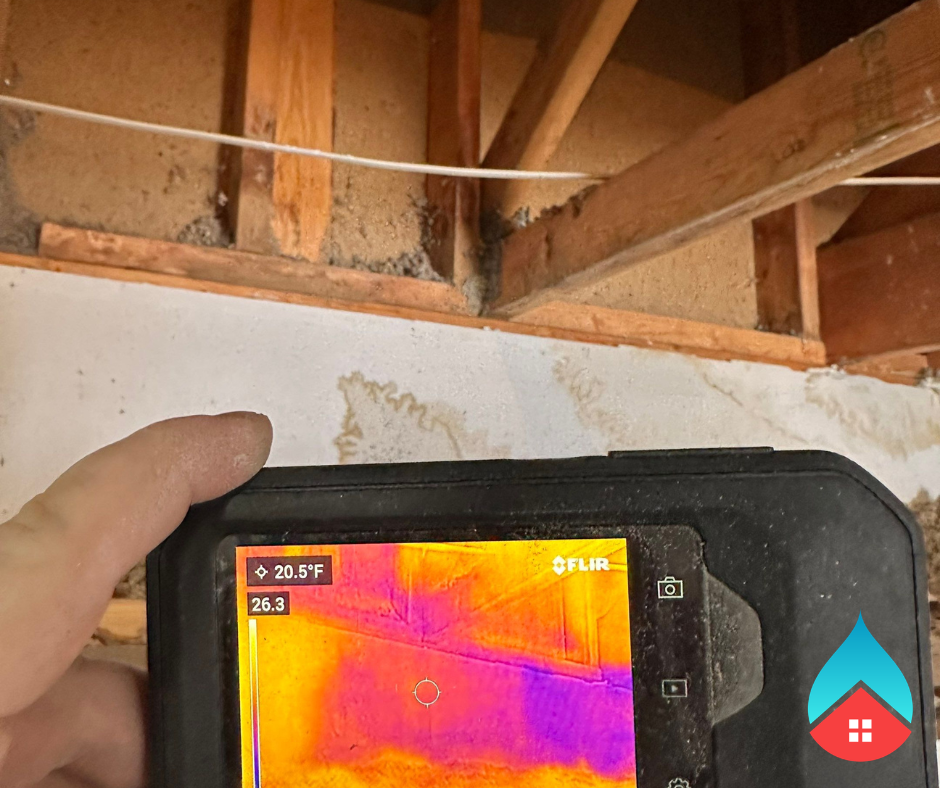
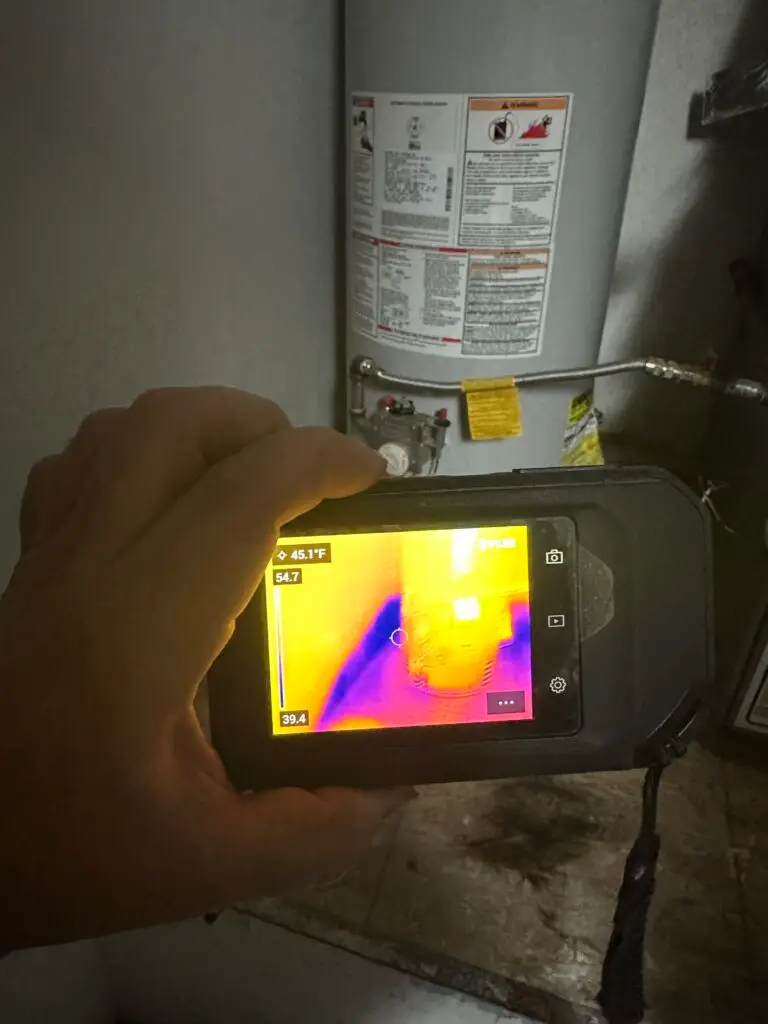
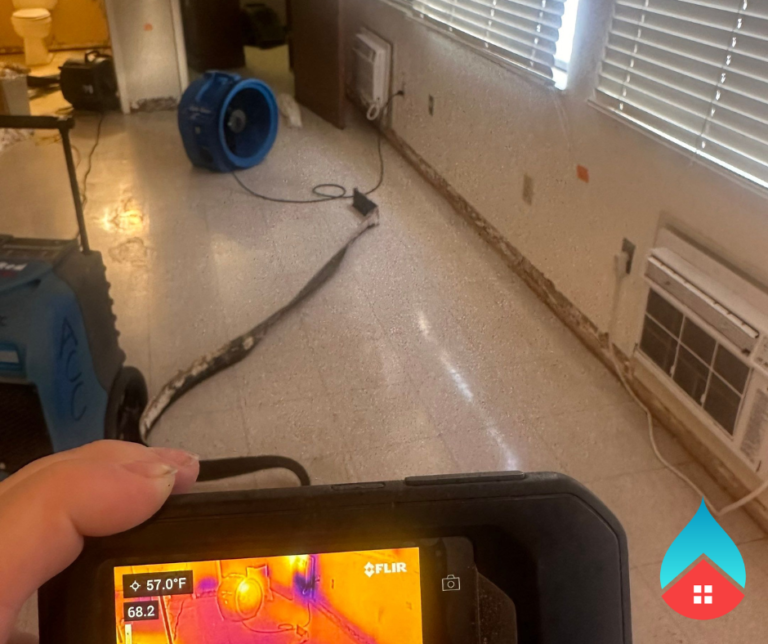
Moisture mapping is one of the strongest pieces of evidence in a La Porte insurance claim because it shows how far the water traveled, how fast it spread, and which materials were affected. Adjusters rely on exact moisture readings, thermal images, and clear migration patterns to confirm the loss was sudden and accidental, not slow seepage. We document every wet surface with calibrated meters, thermal scans, and room‑by‑room maps so your claim file has the proof carriers expect.
Accurate mapping also protects you from denied coverage due to secondary damage. In La Porte’s lake‑effect humidity, hidden moisture can turn into mold, odor, and subfloor saturation within 24–48 hours—issues insurers often label “preventable.” Our daily moisture logs and insurance‑grade drying reports show the home was stabilized correctly and on time, strengthening your adjuster’s file and keeping your claim fully eligible.
Structural Drying That Prevents Denied Claims
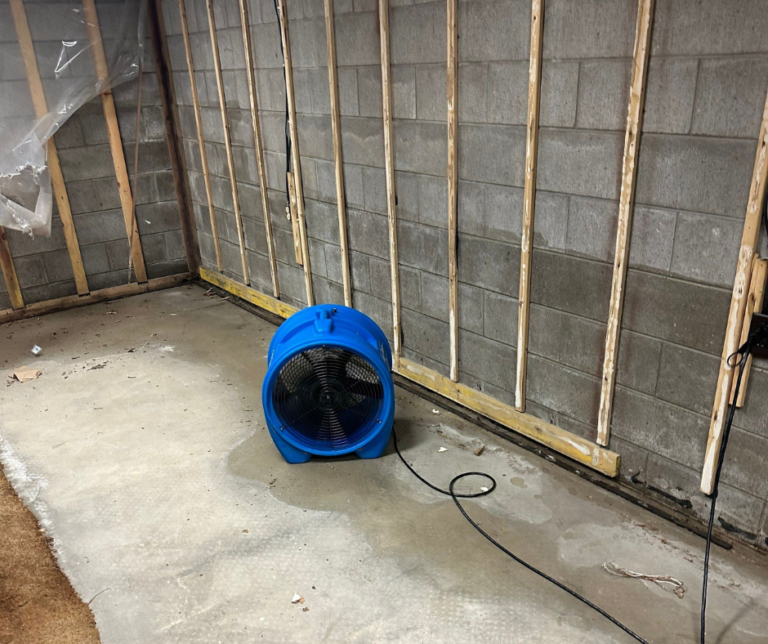
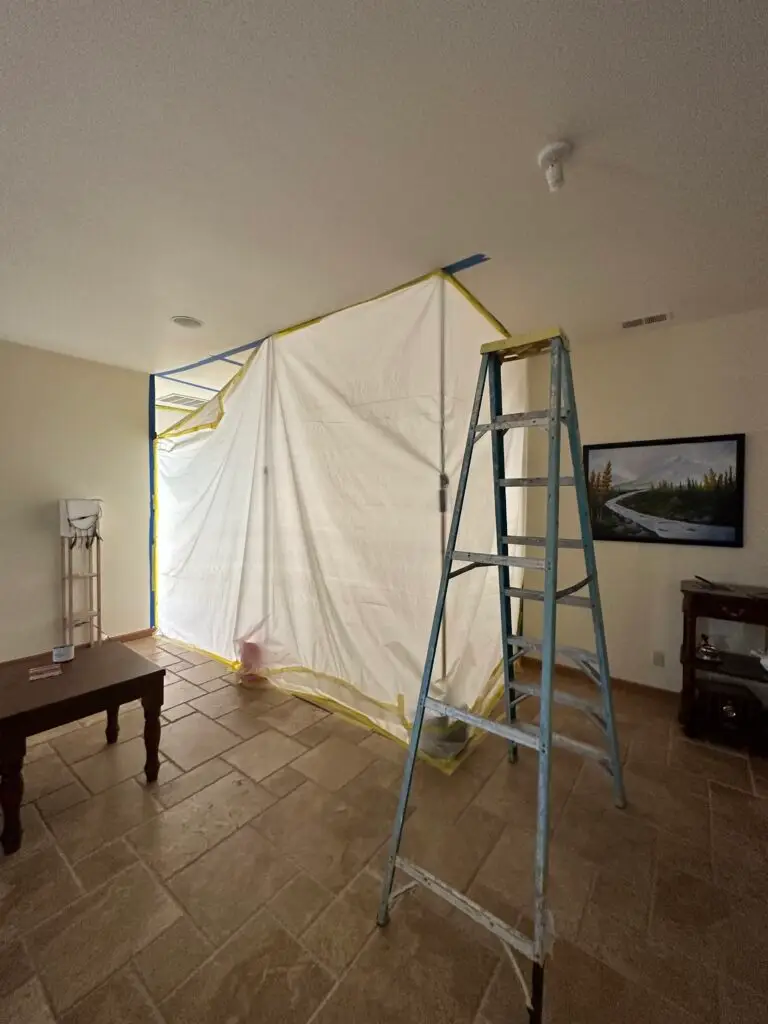
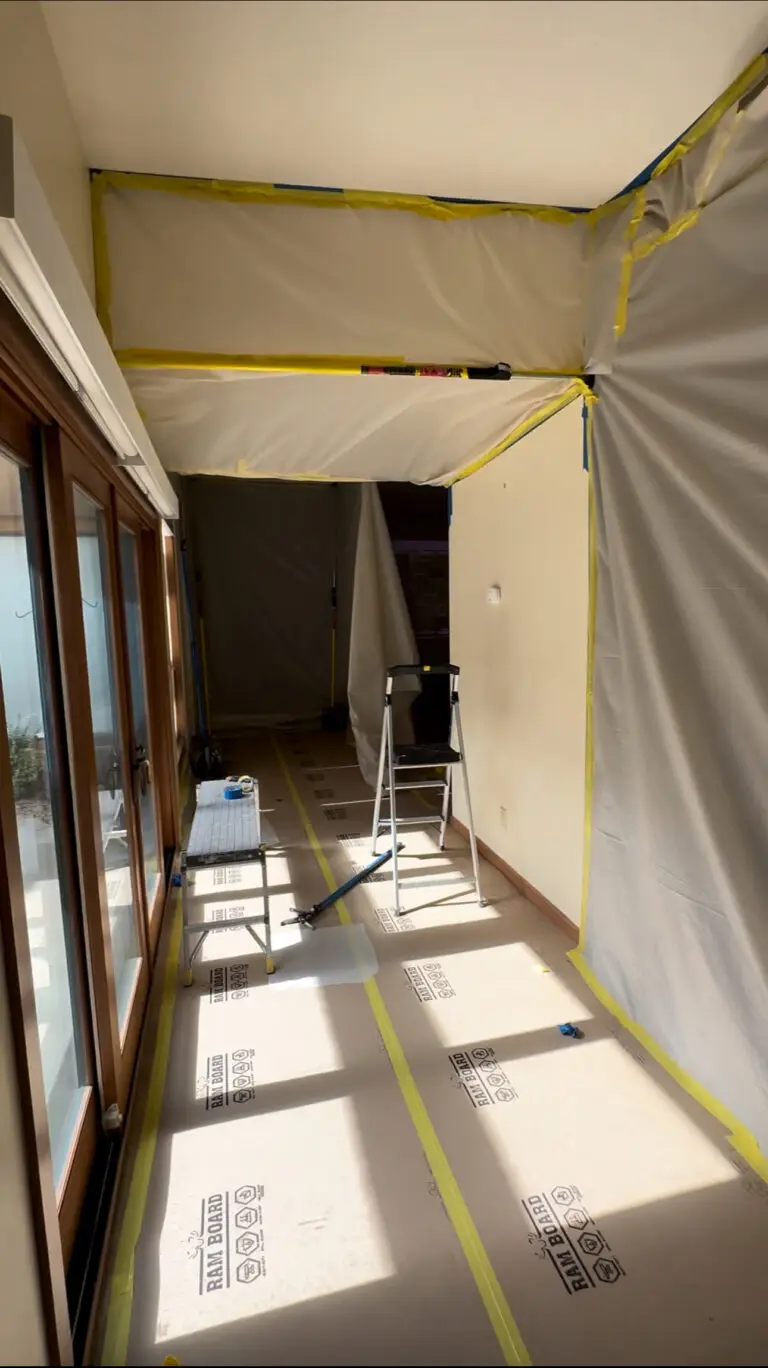
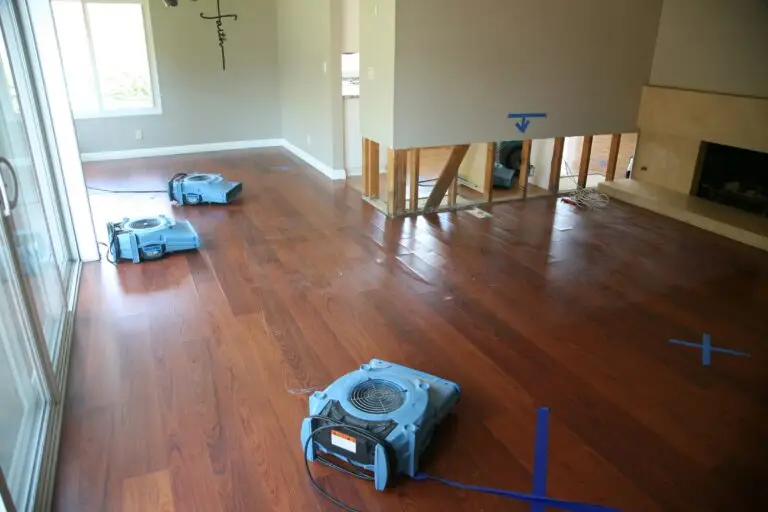
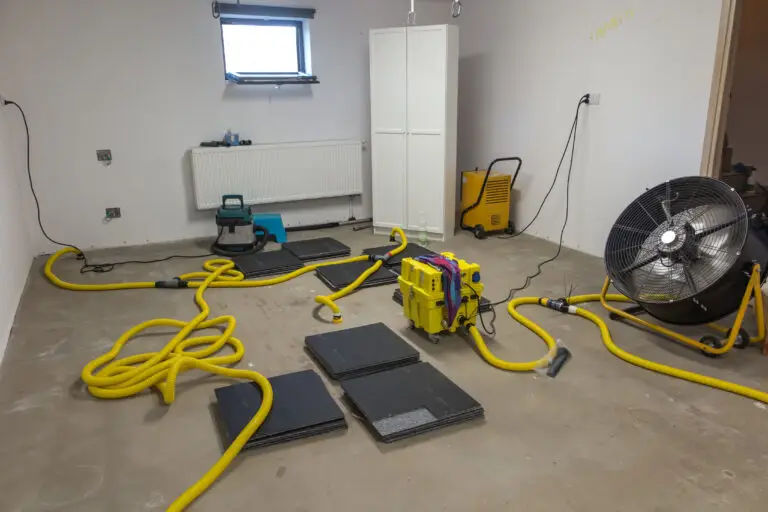
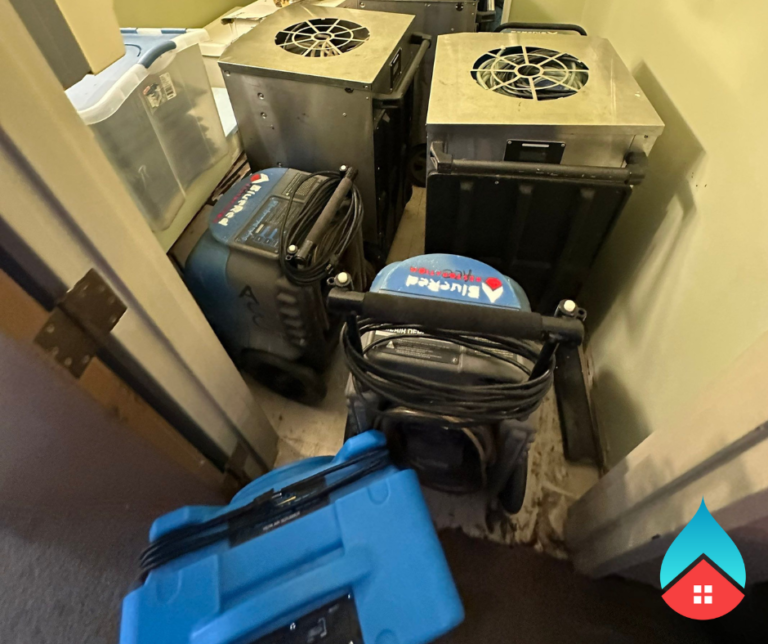
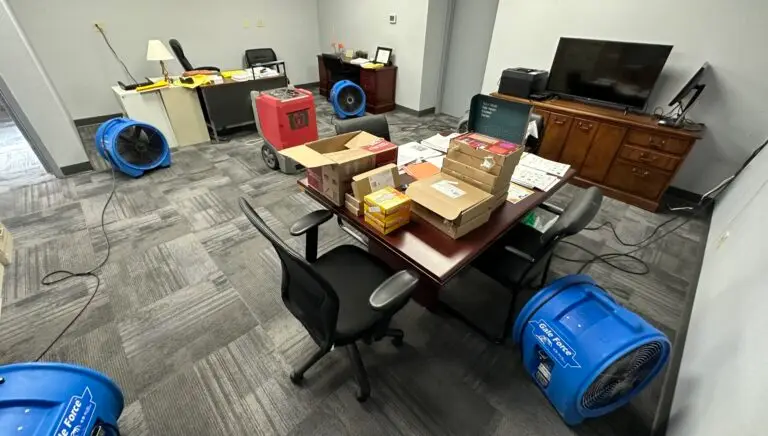
Structural drying is one of the most critical steps in protecting a La Porte insurance claim because it proves the home was stabilized quickly, dried correctly, and prevented from developing secondary damage. Adjusters look closely at drying timelines, moisture logs, and equipment usage, and any gap in that documentation can be used to argue the damage was “avoidable.” We deploy industrial air movers, high‑capacity dehumidifiers, and daily moisture readings that show the structure was dried to standard—clear evidence that supports full coverage.
La Porte’s lake‑effect humidity and older home construction make hidden moisture a major threat. Without proper drying, materials can develop mold, odor, swelling, and microbial growth within 24–48 hours—issues insurers often refuse to pay for. Our drying reports, room‑by‑room readings, and insurance‑grade logs prove the home was mitigated correctly and on time, preventing claim disputes and keeping your loss fully eligible.
Lake‑Effect Storm Intrusion and Roof Leak Documentation
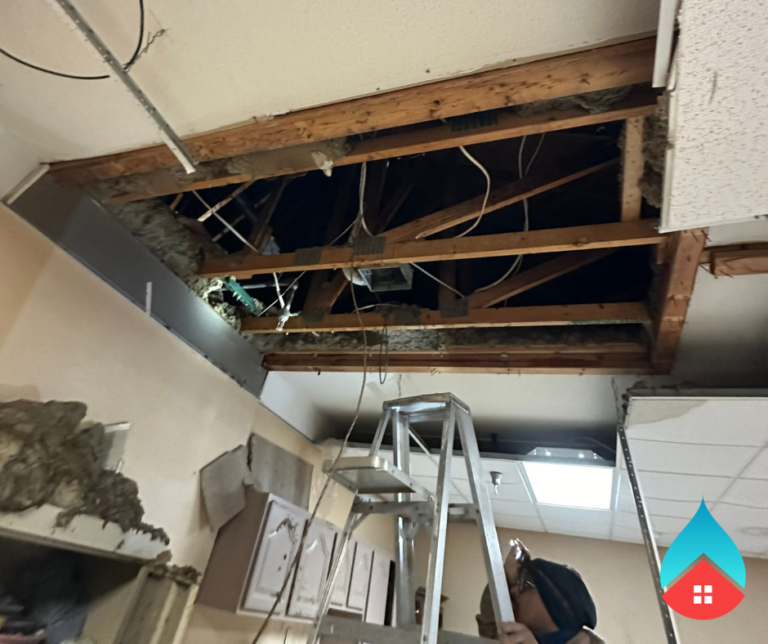
Lake‑effect storms hit La Porte with fast, wind‑driven rain that forces water through roof shingles, siding gaps, and window frames before homeowners even notice. Insurance carriers need clear proof that this intrusion was sudden, not the result of long‑term wear. We document every detail with timestamped photos, entry‑point evidence, and moisture readings that show exactly where the storm pushed water in and how quickly it spread through the structure.
Roof leaks escalate fast in La Porte’s humidity, and insurers often deny coverage if secondary damage—mold, swelling, staining, or ceiling collapse—isn’t documented immediately. Our team captures water‑migration maps, thermal images, and drying logs that prove the home was stabilized correctly and on time. This documentation strengthens your adjuster’s file and protects the classification of the loss as storm‑related and fully eligible for coverage.
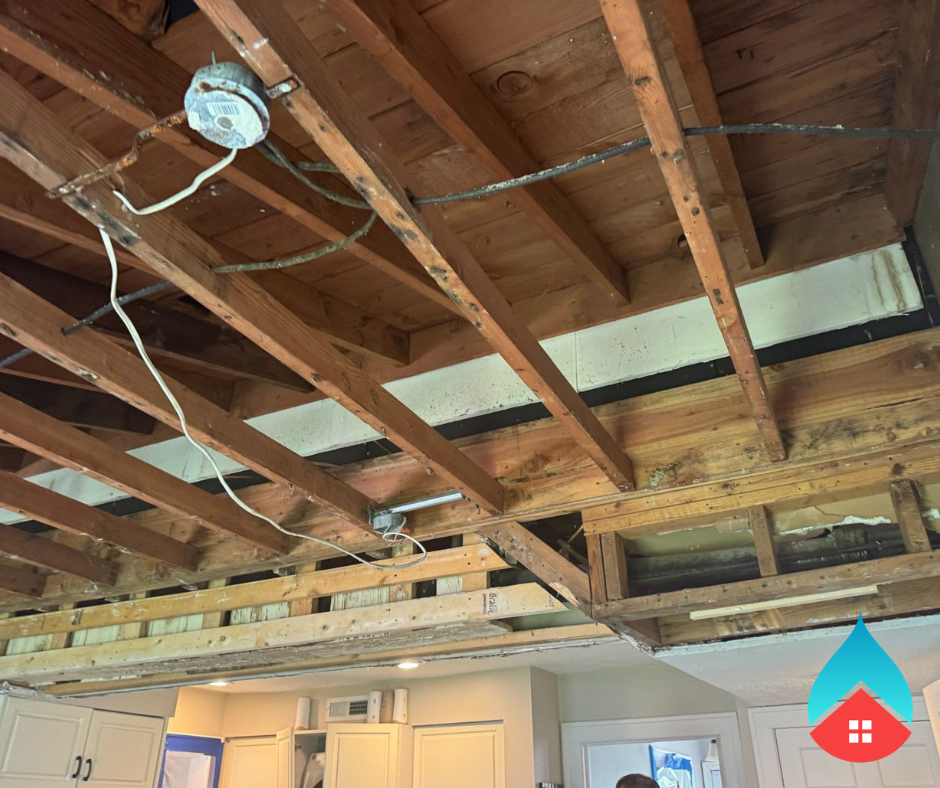
Burst pipes in La Porte create fast, high‑volume water losses that insurance companies examine closely. Adjusters want proof of a sudden break, clear photos, and immediate moisture readings to confirm the damage wasn’t caused by long‑term wear. We document the break, the water path, and the affected materials with timestamped images, calibrated readings, and room‑by‑room mapping so your claim is clearly classified as sudden and accidental.
Secondary damage becomes a threat within hours in La Porte’s lake‑effect humidity, and insurers often refuse to cover anything they consider “preventable.” Our team stabilizes the home quickly with extraction, industrial drying, and insurance‑grade moisture logs that prove mitigation started on time. This documentation strengthens your adjuster’s file and keeps your burst‑pipe loss fully eligible for coverage.
Mold Prevention That Protects Your Coverage in La Porte
Mold grows fast in La Porte’s lake‑effect humidity, which is why insurers expect immediate drying, clear moisture readings, and proof of stabilization after any water loss. We document everything with timestamped photos, antimicrobial application records, and daily moisture logs that show the home was protected before mold had a chance to form—key evidence adjusters rely on to keep your claim fully covered.
Hidden moisture in La Porte’s older basements, crawl spaces, and wall cavities can trigger mold, odor, and material damage within 24–48 hours, and insurers often label these issues “preventable.” Our team uses thermal imaging, deep‑material checks, and insurance‑grade drying reports to prove the structure was dried correctly and on time, protecting both your home and your coverage.
Crawl Space Flooding & Subfloor Documentation
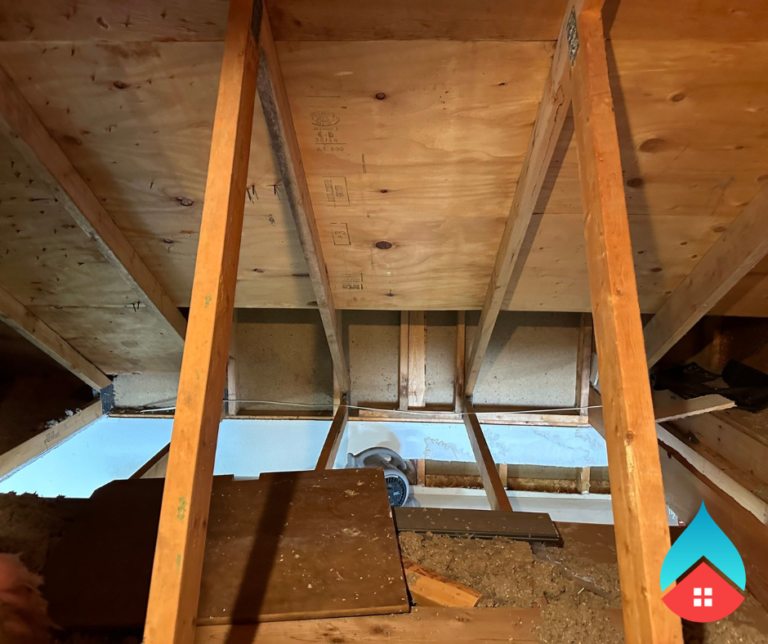
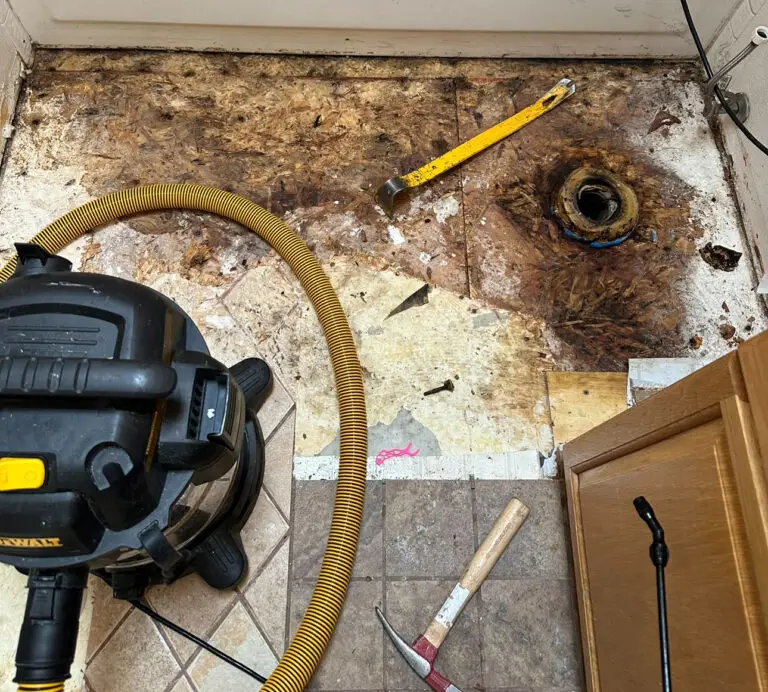
Crawl spaces in La Porte flood quickly during heavy rain and lake‑effect storms, and insurance carriers look closely at how fast the water was documented and how far it traveled. We capture standing‑water levels, subfloor moisture readings, and thermal images that show exactly which materials were affected. This protects your claim from being labeled as long‑term seepage or “groundwater intrusion,” two common reasons crawl‑space losses get challenged.
Hidden moisture under the home can lead to mold, odor, insulation saturation, and structural weakening within 24–48 hours—issues insurers often call “preventable.” Our daily moisture logs, drying reports, and room‑by‑room mapping prove the crawl space and subfloor were stabilized correctly and on time, keeping your claim fully eligible and your home protected.
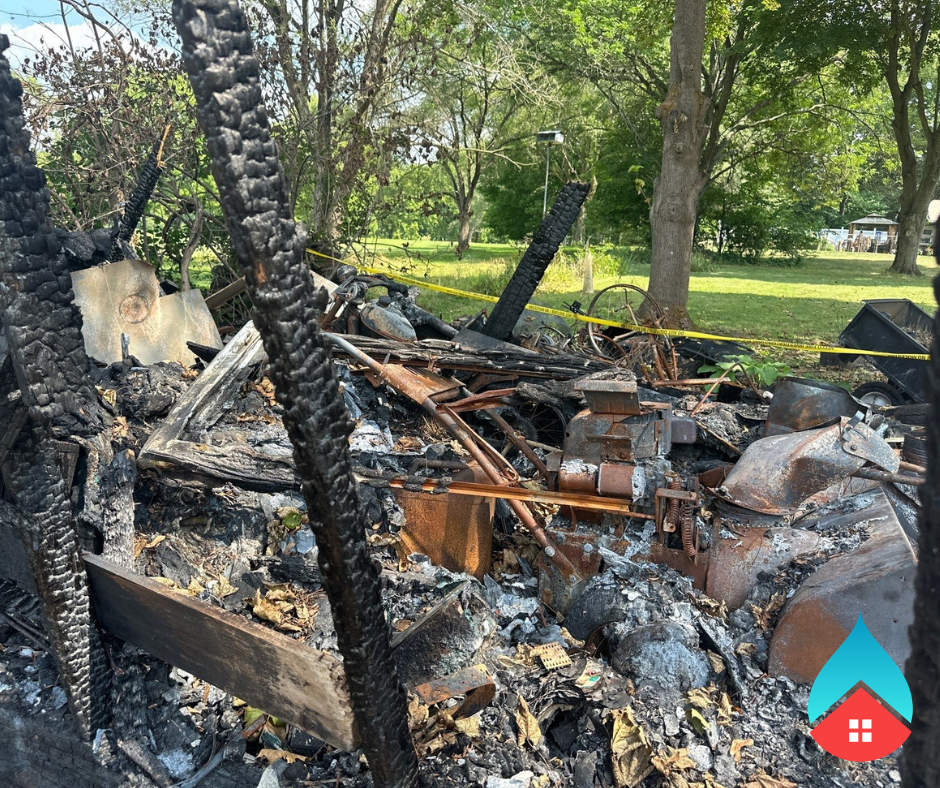
Fire and smoke losses in La Porte require clear, immediate documentation, because adjusters rely on soot patterns, odor spread, and structural impact to confirm the damage was sudden and accidental. We capture timestamped photos, soot mapping, and thermal images that show exactly how the fire moved through the home, preventing disputes about old staining or pre‑existing issues.
Smoke travels fast through La Porte homes—especially older structures with shared cavities—so secondary damage like odor, corrosion, and HVAC contamination must be documented right away. Our cleaning logs, material condition reports, and before‑and‑after documentation prove the home was stabilized correctly and on time, strengthening your adjuster’s file and protecting your coverage.

Insurance‑Ready Photos, Reports, and Scope Notes
Insurance carriers judge La Porte claims by the quality, clarity, and timing of your documentation. That means every loss needs a clean, defensible package: timestamped photos, moisture readings, soot or water‑migration maps, and material condition notes that show exactly what happened and when. We build this file from day one so adjusters can see the loss was sudden, accidental, and fully eligible.
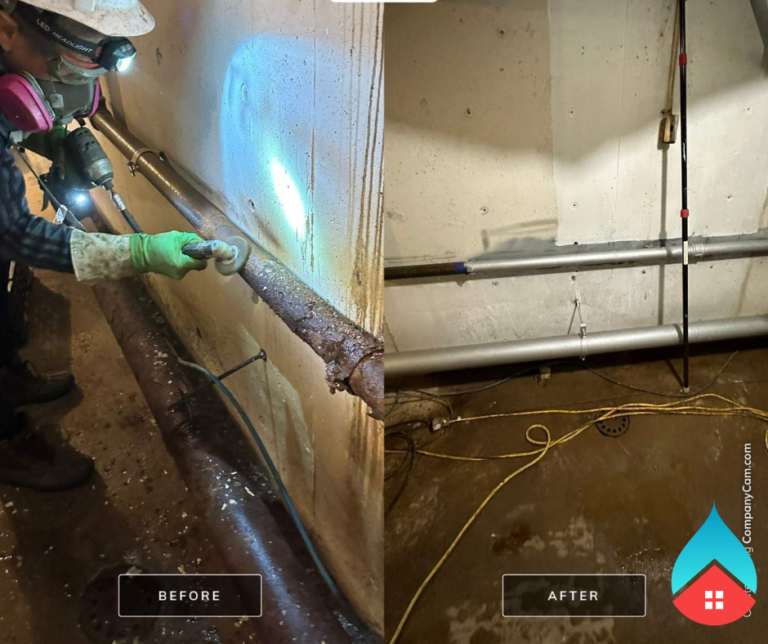
Strong documentation also prevents disputes about pre‑existing damage, gradual seepage, or preventable secondary issues—the most common reasons La Porte claims get reduced. Our reports include before‑and‑after photos, daily logs, and clear scope notes that outline what was affected, what was stabilized, and what requires repair. This keeps your claim clean, organized, and easy for your adjuster to approve.
Local La Porte Technicians Who Know How Claims Work Here
La Porte claims move faster and cleaner when the people documenting the loss actually understand local housing, local weather, and local adjuster expectations. Our technicians work in the same neighborhoods—Pine Lake, Indiana Ave, Maple Ave, Kankakee Valley flood pockets—so they know how water, humidity, and older construction behave here. That local knowledge shows up in the documentation: correct moisture baselines, accurate migration patterns, and evidence adjusters recognize as standard for La Porte losses.
Because we handle La Porte claims every week, we also know what adjusters flag most often: slow mitigation, missing photos, unclear timelines, and undocumented secondary damage. Our team builds the file the way local carriers expect it—timestamped photos, daily logs, drying reports, and clear scope notes—so your claim reads clean, organized, and fully eligible from the start.
Do you have an emergency? Call us at (574) 387-2910
Fast scheduling is one of the strongest protections you have in a La Porte insurance claim because adjusters look closely at when the loss happened, when mitigation started, and whether the homeowner acted immediately. Calling right away creates a clean, defensible timeline that shows the damage was sudden and accidental, not neglected. Our local team responds with same‑day pump‑outs, initial moisture readings, and timestamped photos so your adjuster has the proof they need from the very first hour.
A full documentation package is built as we work:
- Before‑and‑after photos that show the true condition of each room
- Moisture logs that track drying progress day by day
- Scope notes that outline what was affected and what requires repair
- Drying reports that confirm the structure was stabilized correctly
This keeps your claim organized, easy to review, and aligned with what La Porte carriers expect. It also prevents the most common disputes—questions about pre‑existing damage, slow response, or preventable secondary issues.
Scheduling quickly protects your home, your timeline, and the coverage your policy promises, especially during La Porte’s fast‑moving lake‑effect storms and high‑humidity seasons.
Westville, IN
BlueRed Restoration supports Westville with rapid, detail‑driven restoration services for water, fire, mold, and storm damage.
Chesterton, IN
In Chesterton, BlueRed Restoration delivers dependable water, fire, mold, and storm‑damage restoration with certified drying and clear communication.
New Carlisle, IN
New Carlisle homes and businesses benefit from BlueRed Restoration’s fast, documented cleanup for water, fire, mold, and storm‑related damage.

Rolling Prairie, IN
Property owners in Rolling Prairie count on BlueRed Restoration for quick, certified restoration after water, fire, mold, or storm events.

Long Beach, IN
Long Beach residents turn to BlueRed Restoration for expert water, fire, mold, and storm‑damage restoration backed by advanced drying and rapid response.
ZIP Codes We Serve
46350 • 46352