
Living on the shoreline of Lake Michigan is beautiful, but it also means your home is exposed to some of the most aggressive, fast‑moving weather patterns in the entire region. Lake‑effect storms, high winds, heavy humidity, and sudden temperature swings create conditions where water, fire, and mold damage escalate rapidly — often long before a homeowner realizes anything is wrong. In Michigan City, a small leak can become a soaked wall cavity, and a minor electrical issue during a storm can turn into a smoke‑filled emergency. When something goes wrong, waiting even a few hours can turn a manageable issue into a major loss, and every hour of delay increases the risk of insurance complications.
BlueRed Restoration specializes in the unique challenges of Michigan City’s lakefront homes, historic properties, and seasonal rentals, where stronger winds, higher humidity, and more severe storm patterns create a perfect environment for fast‑spreading damage. We respond immediately, document every detail, and protect your home from the secondary damage that causes the biggest insurance headaches. Our team understands how quickly water migrates, how aggressively mold activates, and how deeply smoke and soot settle into a structure — especially in a waterfront environment where moisture and humidity accelerate everything.
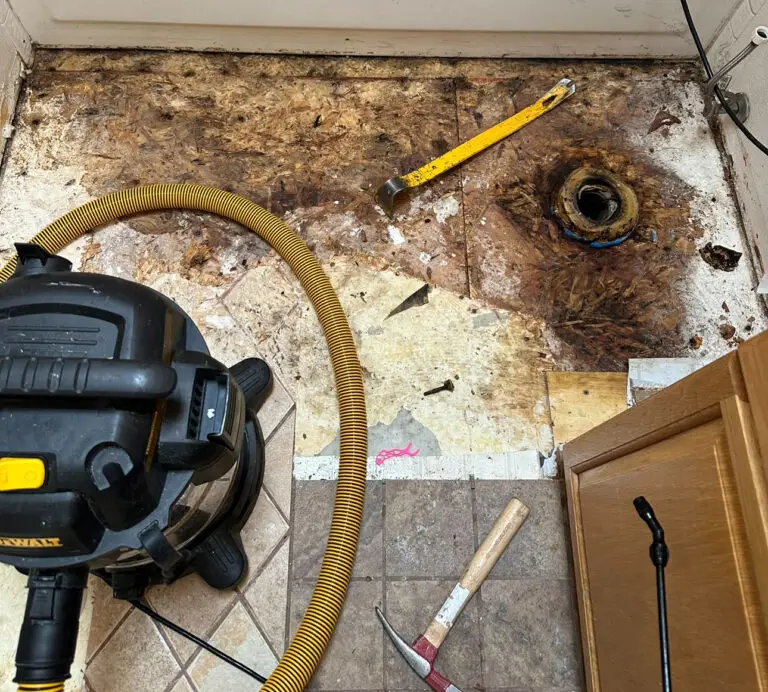
Lake‑effect rain, storm surge, and wind‑driven water can enter a home through roofs, siding, windows, crawl spaces, and basements. Once inside, water doesn’t stay visible. It moves silently through subfloors, wall cavities, insulation, electrical systems, and HVAC ducts, spreading into hidden areas of the home. Within 24 to 48 hours, trapped moisture begins feeding active mold growth. Within days, structural materials weaken, odors intensify, and the cost of repairs increases dramatically. The longer water sits, the more likely insurance will question what was preventable — and the more extensive the damage becomes.
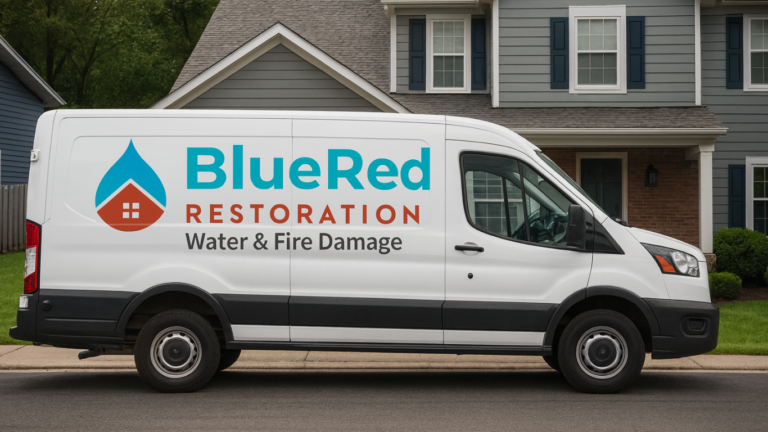
Restoration Services | Michigan City
- Lake‑Effect Storms and Sudden Water Intrusion
- Waterfront Homes and Wind‑Driven Rain
- Storm Surge, Flooding, and Harbor‑Area Water Damage
- High‑Humidity Mold Growth in Lakefront Properties
- Crawl Space Moisture and Foundation Saturation
- Freeze‑Thaw Cycles and Winter Pipe Bursts
- Fire and Smoke Damage During Severe Weather
- Seasonal Rentals and Unattended Property Damage
- Aging Homes and Hidden Structural Vulnerabilities
- Insurance‑Ready Documentation for Storm‑Driven Losses
- Immediate Response and Full‑Scale Restoration
Lake‑effect storms hit Michigan City fast, dropping intense, wind‑driven precipitation that overwhelms gutters, siding, windows, and older waterproofing. Sudden temperature swings create freeze–thaw cracks in foundations and exterior walls, while shoreline exposure amplifies every leak and pushes moisture deep into basements, attics, and crawl spaces.
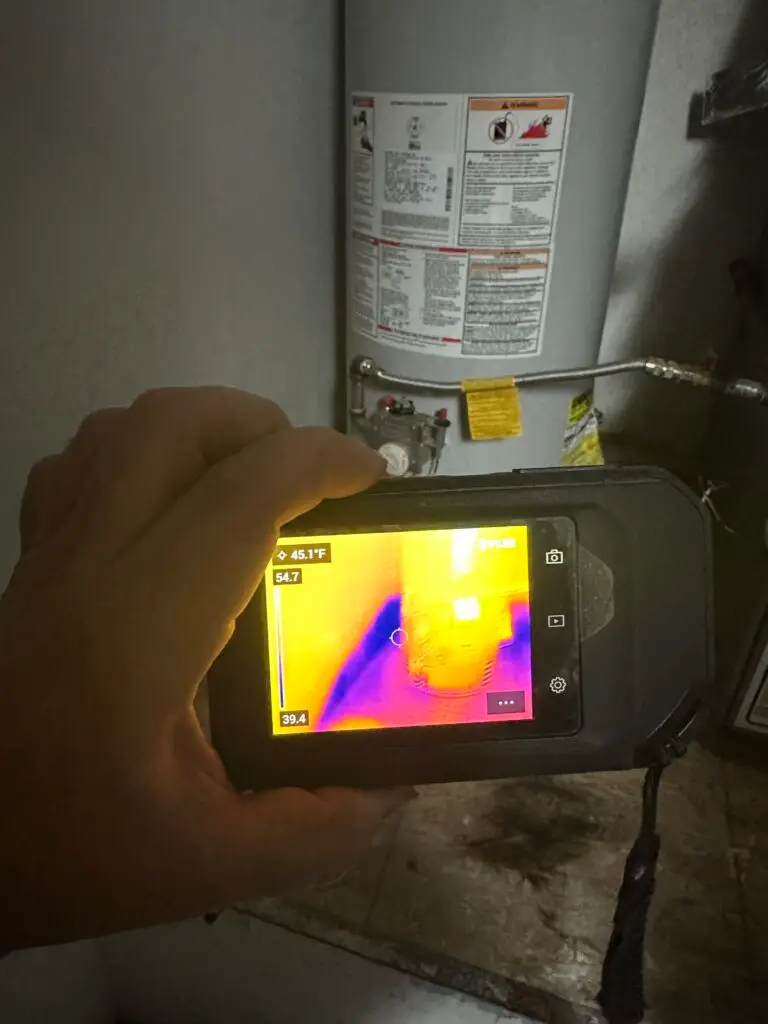
After the storm passes, moisture lingers inside the structure, causing hidden saturation, rising humidity, wet insulation, and early mold activity. Even small intrusions escalate quickly as subfloors swell and wall cavities trap water, which is why Michigan City homeowners rely on thermal imaging, moisture mapping, and cold‑weather structural drying to stop the spread before the next storm cycle.
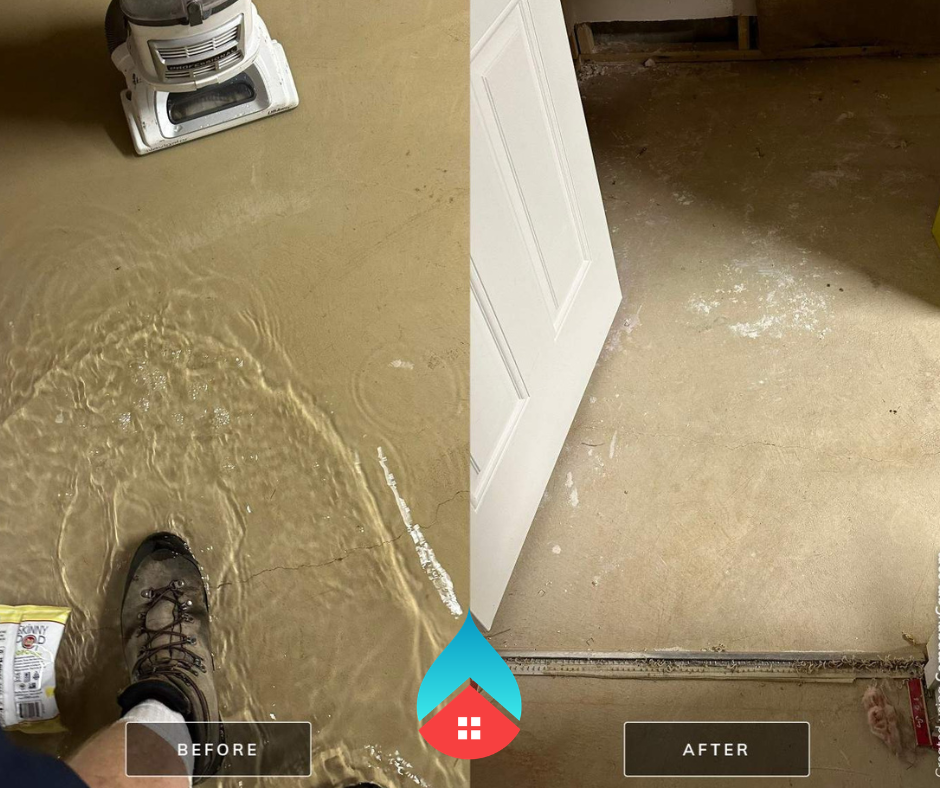
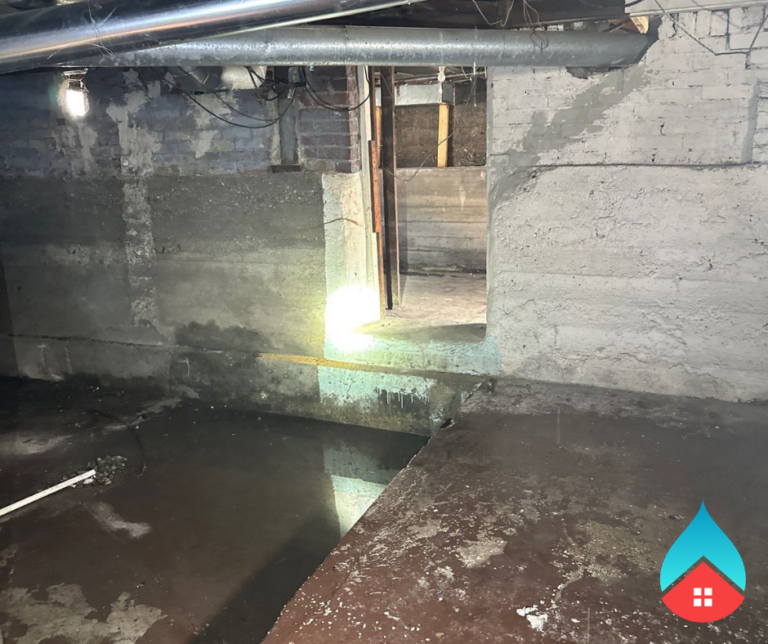
Waterfront Homes and Wind‑Driven Rain in Michigan City
Waterfront homes in Michigan City take the full force of wind‑driven rain, especially during lake‑effect storm cycles. Strong gusts off Lake Michigan push rain horizontally into siding, around window frames, under rooflines, and through any weakness in the building envelope. Even well‑maintained homes can experience forced moisture intrusion, saturated exterior walls, and hidden leaks as wind pressure drives water past seals and flashing that normally hold under standard conditions.
Once inside, wind‑driven rain creates concealed moisture pockets, wet insulation, rising humidity, and early mold activity—often long before staining or bubbling appears. Waterfront properties rely on fast, professional mitigation using thermal imaging, moisture mapping, and cold‑weather structural drying to stop the spread, stabilize the structure, and protect the home from the next lakefront storm.
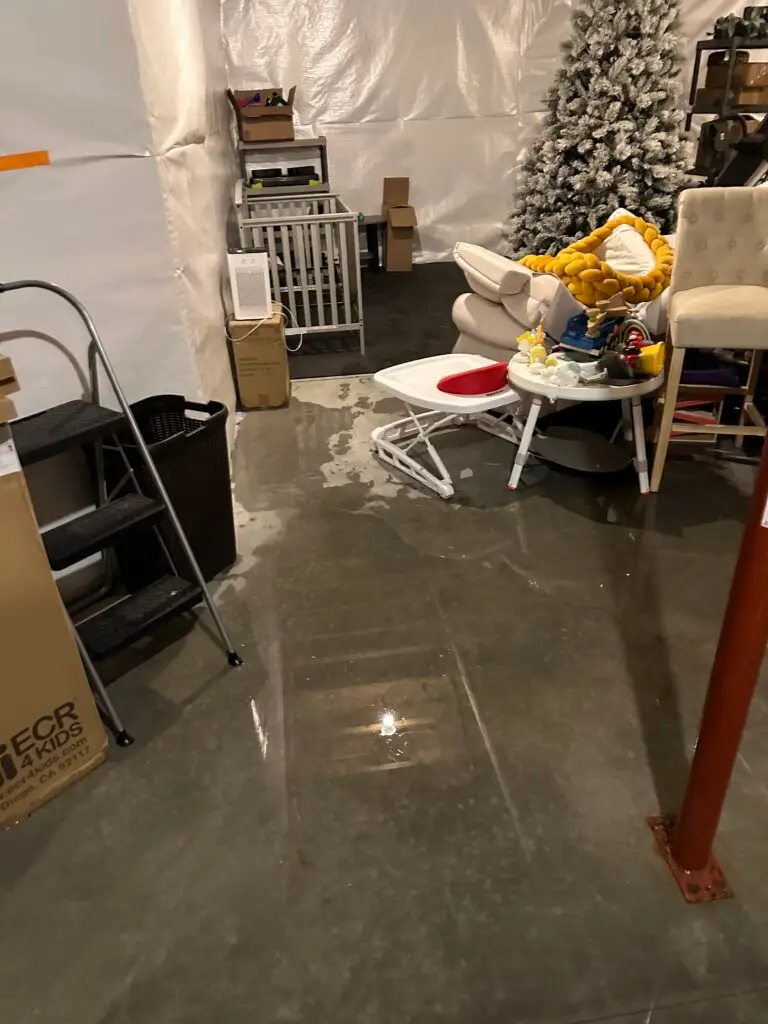
Storm surge and harbor‑area flooding in Michigan City create rapid water rise, ground saturation, and pressure‑driven intrusion into basements, crawl spaces, and lower‑level living areas. Homes and businesses near the marina and Washington Park face amplified exposure as surge water forces its way into foundation cracks, drain systems, and structural gaps that normally stay dry.
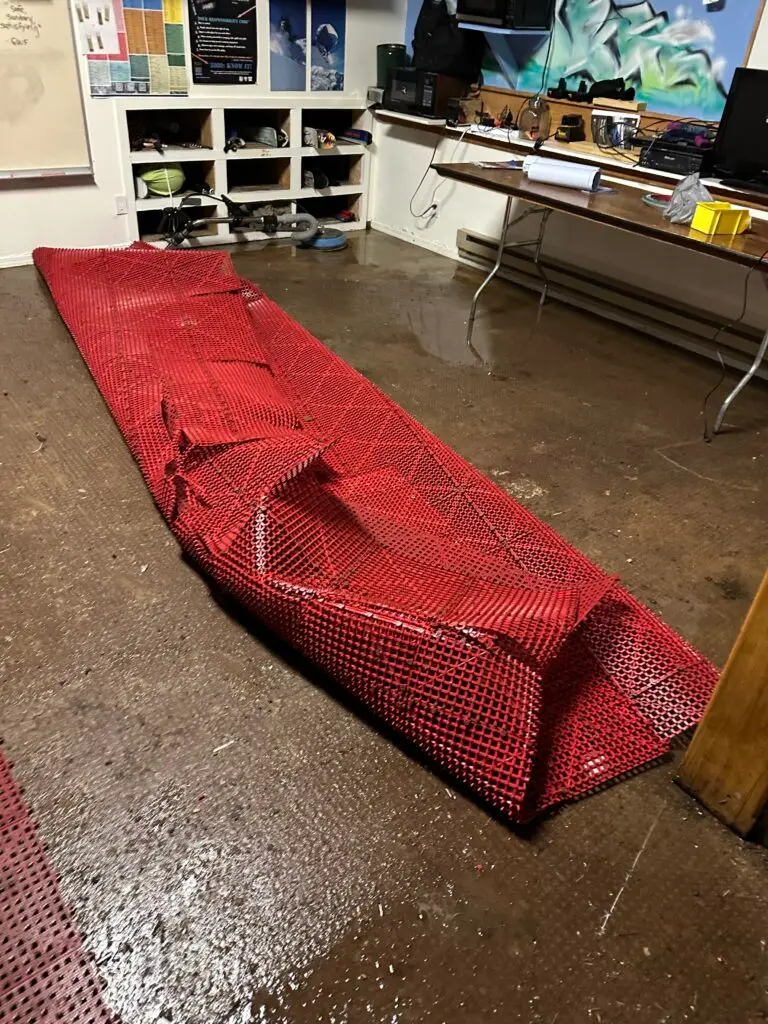
After the water recedes, buildings are left with wet drywall, soaked insulation, elevated humidity, and early mold activity—often hidden behind walls and subfloors. Harbor‑area properties depend on fast mitigation using water extraction, moisture mapping, thermal imaging, and cold‑weather structural drying to stop the spread and prevent long‑term damage.
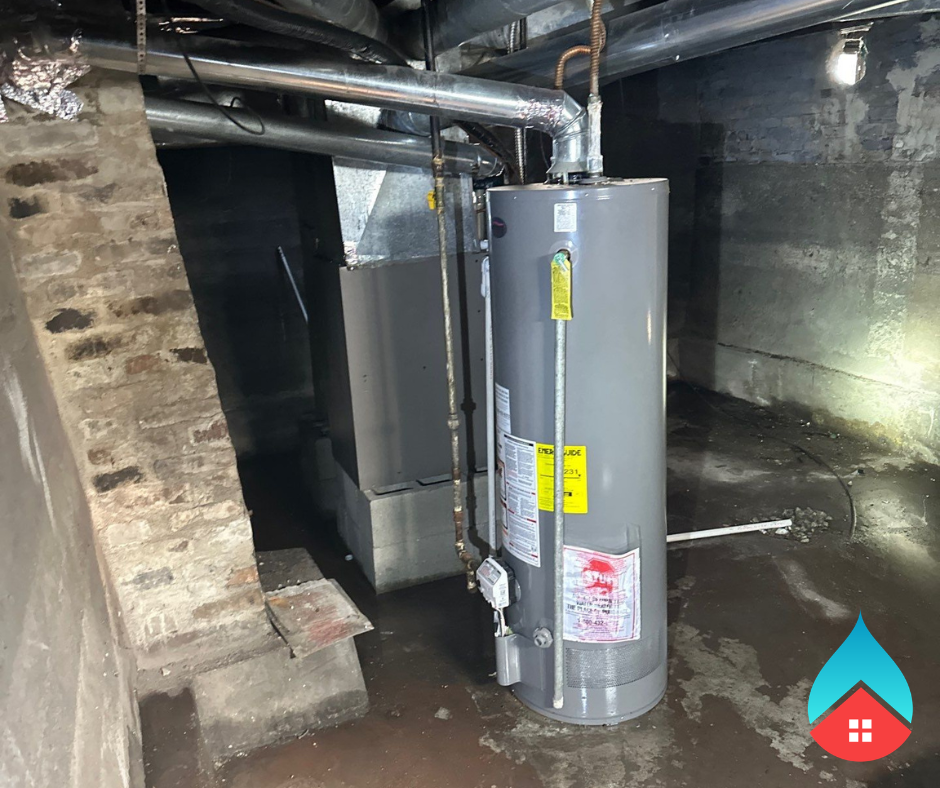
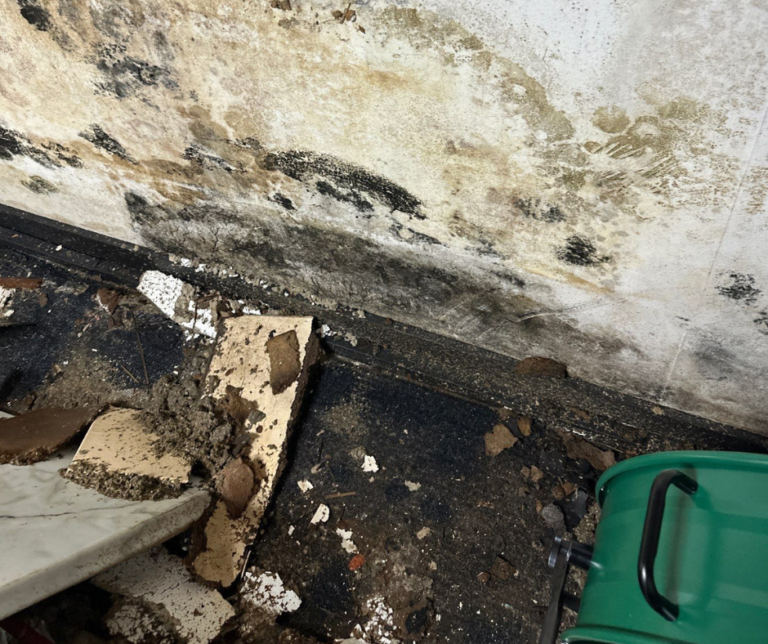
Lakefront properties in Michigan City experience consistently high humidity, especially after lake‑effect storms, shoreline winds, and rapid temperature swings. This moisture loads the air and pushes dampness into wall cavities, crawl spaces, attics, and basements, creating ideal conditions for fast mold growth. Even small leaks or minor condensation can turn into active mold colonies within 24–48 hours in waterfront homes.
Once mold takes hold, it spreads through wet insulation, porous building materials, and hidden structural pockets, often before any visible signs appear. Homeowners typically notice musty odors, elevated humidity, or discoloration only after mold is already established. That’s why lakefront properties rely on professional moisture mapping, thermal imaging, and cold‑weather structural drying to stop growth, remove contamination, and stabilize the home’s indoor environment.
Crawl Space Moisture and Foundation Saturation in Michigan City
Crawl spaces in Michigan City take on moisture quickly during lake‑effect storms, shoreline flooding, and wind‑driven rain. Saturated soil around the home pushes moisture into block foundations, rim joists, support beams, and vapor barriers, creating persistent high humidity and condensation under the house. Even small openings allow damp lakefront air to load the crawl space with moisture, leading to wood softening, insulation damage, and early mold activity.
Once the foundation becomes saturated, moisture lingers long after the weather clears, creating hidden wet pockets, elevated humidity, and musty odors that migrate into the living space. Michigan City homeowners rely on professional moisture mapping, thermal imaging, crawl‑space drying, and dehumidification to stop the spread, protect structural components, and stabilize the home’s foundation in lakefront conditions.
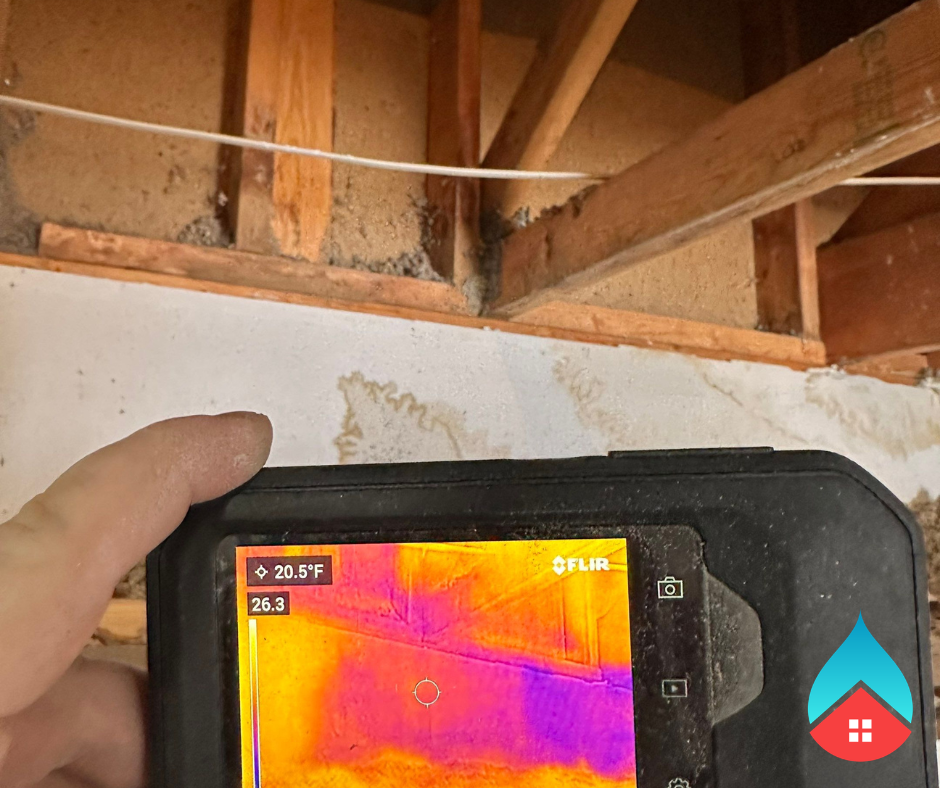
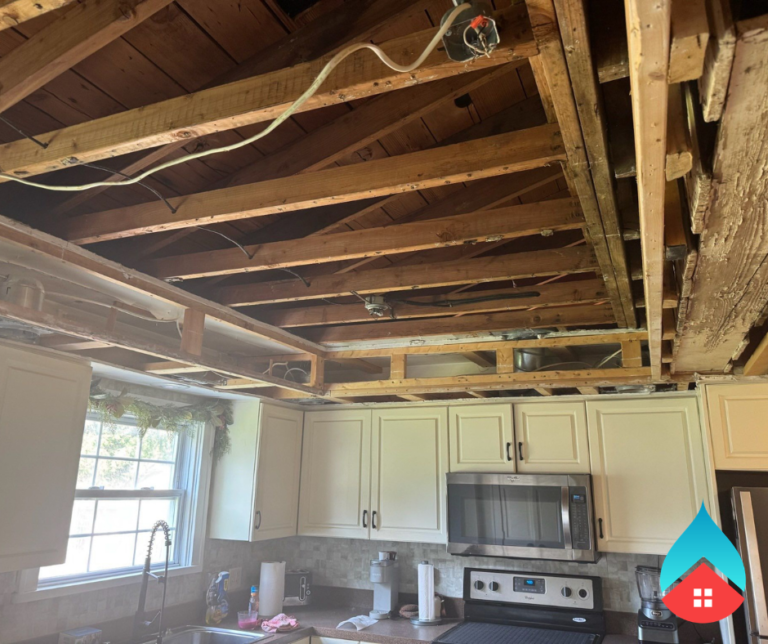
Michigan City’s lakefront winters create constant freeze–thaw cycles that stress plumbing, foundations, and exterior walls. Rapid temperature swings cause water inside pipes to freeze, expand, and crack, especially in uninsulated areas like crawl spaces, basements, and exterior walls. Homes near the shoreline face even greater risk as cold lake winds accelerate pipe freezing, foundation cracking, and ice‑driven intrusion around vulnerable building components.
When pipes burst, they release large volumes of water into wall cavities, floor systems, and basement levels, leading to hidden saturation, wet insulation, and fast‑moving mold activity. Winter conditions slow natural evaporation, allowing moisture to spread long after the initial break. Michigan City homeowners rely on professional water extraction, thermal imaging, moisture mapping, and cold‑weather structural drying to stabilize the home and prevent long‑term structural damage.
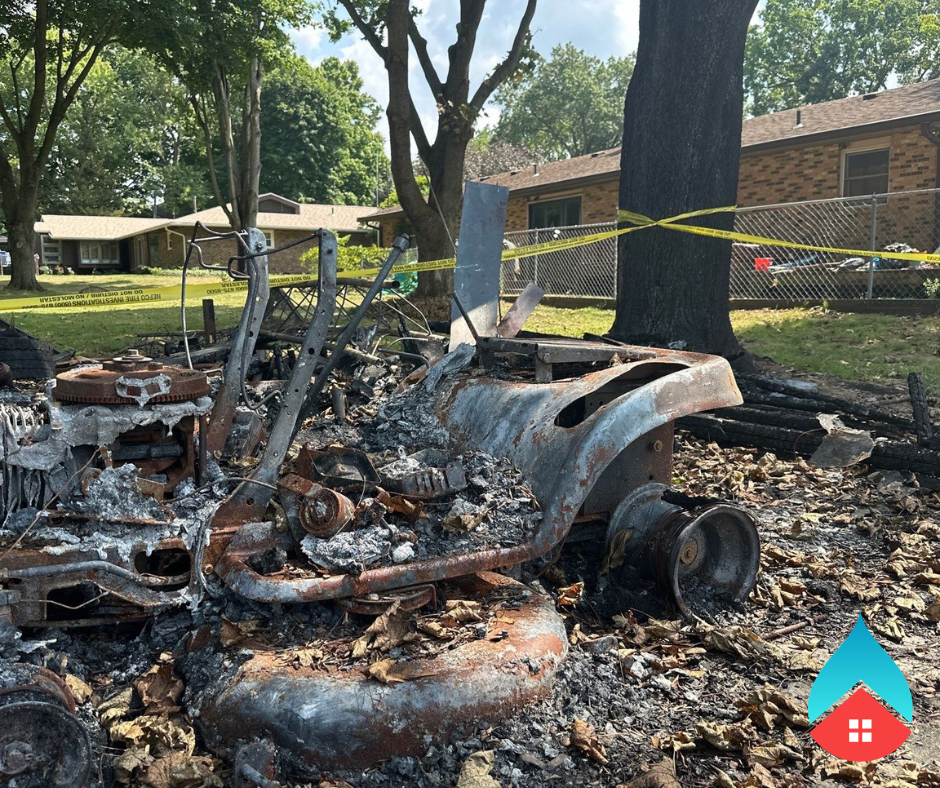
Severe weather in Michigan City often leads to fire and smoke damage when lightning strikes, power surges, downed lines, or overloaded systems spark ignition during storms. High winds can push flames and embers into attics, soffits, and siding gaps, while storm‑driven rain forces smoke deeper into wall cavities, insulation, and upper‑level framing. Even small fires create heavy soot, odor penetration, and air‑quality issues that spread quickly through lakefront homes.
After the flames are out, the combination of smoke residue, soaked building materials, and storm‑driven humidity accelerates deterioration. Wet drywall and insulation trap smoke particles, leading to persistent odors, corrosion, and early mold activity. Michigan City homeowners rely on professional fire cleanup, odor removal, moisture mapping, and structural drying to stabilize the home and prevent long‑term damage after a weather‑related fire event.
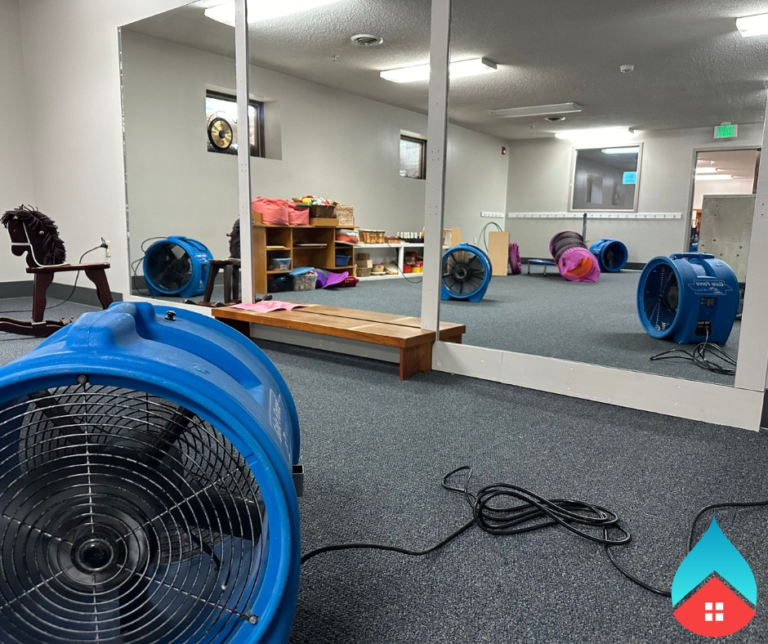
Seasonal rentals in Michigan City face elevated risk when storms, lake‑effect weather, or freezing temperatures hit while the property is empty. Unattended homes can develop undetected leaks, burst pipes, wind‑driven rain intrusion, and crawl‑space moisture that sit for days or weeks before anyone notices. Lakefront humidity and rapid weather swings accelerate hidden saturation, odor buildup, and early mold activity in wall cavities, basements, and attics.
By the time a guest, cleaner, or owner returns, the damage is often widespread—wet drywall, soaked flooring, musty odors, and elevated humidity throughout the home. Seasonal rental owners rely on fast, professional moisture mapping, thermal imaging, water extraction, and structural drying to stop the spread, document the loss, and restore the property quickly so it can return to service.
Aging homes in Michigan City carry decades of weather exposure, foundation settling, and material fatigue, making them especially vulnerable during lake‑effect storms and shoreline humidity. Older construction often hides cracked foundations, loose siding, failing window seals, and outdated plumbing that allow wind‑driven rain, ground moisture, and freeze–thaw damage to slip into basements, crawl spaces, and wall cavities.
Once moisture enters an older structure, it spreads quickly through porous materials, original framing, and uninsulated voids, creating hidden saturation, musty odors, and early mold activity. Many issues stay concealed until staining or buckling appears, which is why Michigan City homeowners rely on thermal imaging, moisture mapping, and structural drying to uncover vulnerabilities and stabilize aging homes before the next storm cycle.
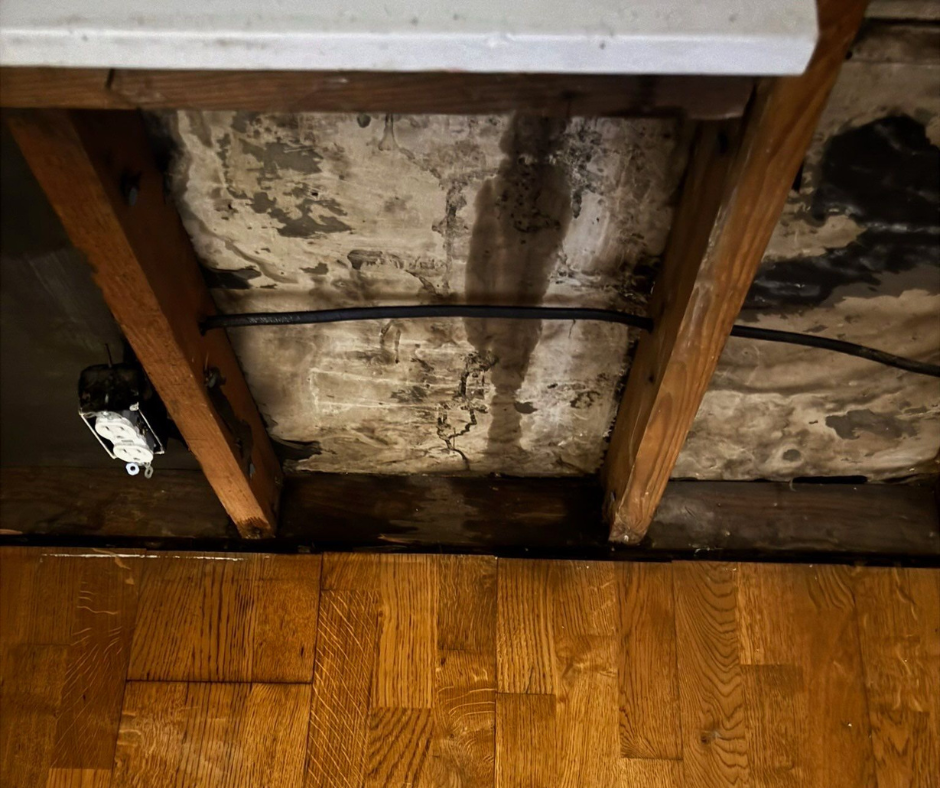

Storm‑driven losses in Michigan City require clear, insurance‑ready documentation because lake‑effect storms, wind‑driven rain, and shoreline flooding often create layered, hard‑to‑prove damage. Adjusters need evidence of water pathways, affected materials, and moisture levels, supported by photos, moisture readings, and thermal imaging that show exactly how the storm impacted the home.
Professional mitigation teams provide the documentation insurers expect: before‑and‑after photos, moisture logs, equipment records, and Certified Dry verification. This creates a clean, defensible file that speeds approvals and helps Michigan City homeowners prove storm‑driven intrusion and protect long‑term property value.
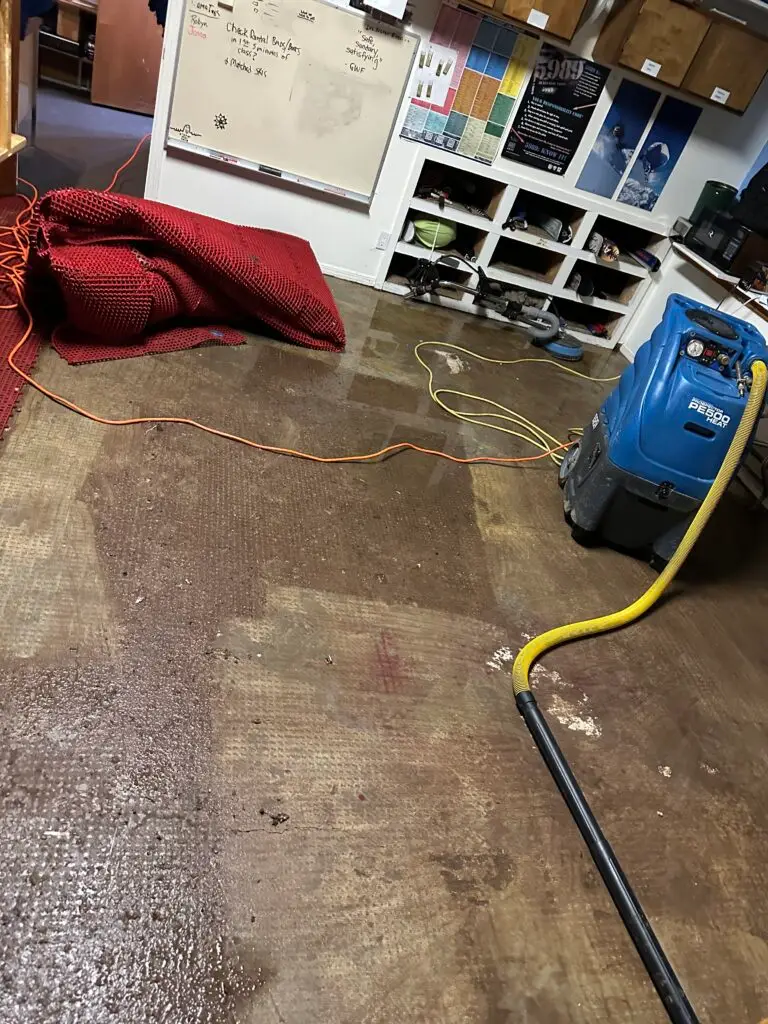
When storms hit Michigan City, homeowners need immediate response to stop fast‑moving water, wind, and humidity from spreading through the structure. Lake‑effect storms, wind‑driven rain, and shoreline flooding can overwhelm a home in minutes, making rapid water extraction, moisture control, and stabilization essential to prevent escalating damage. A fast arrival ensures hidden saturation, wet insulation, and rising humidity are contained before they turn into long‑term structural issues.
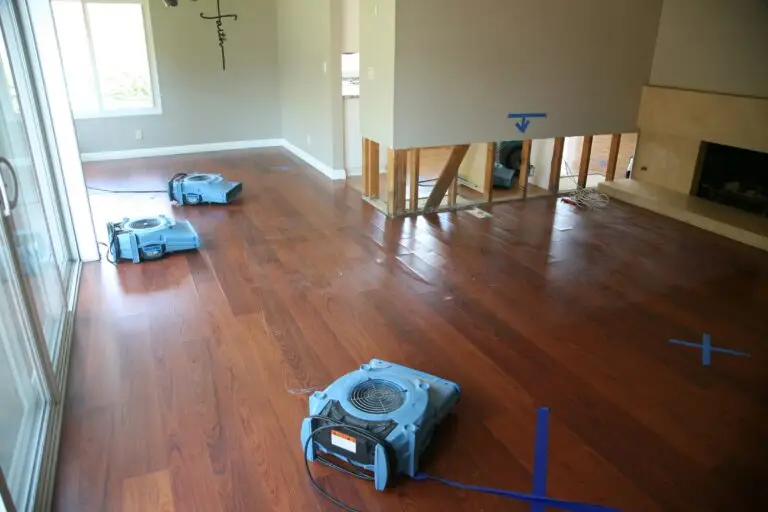
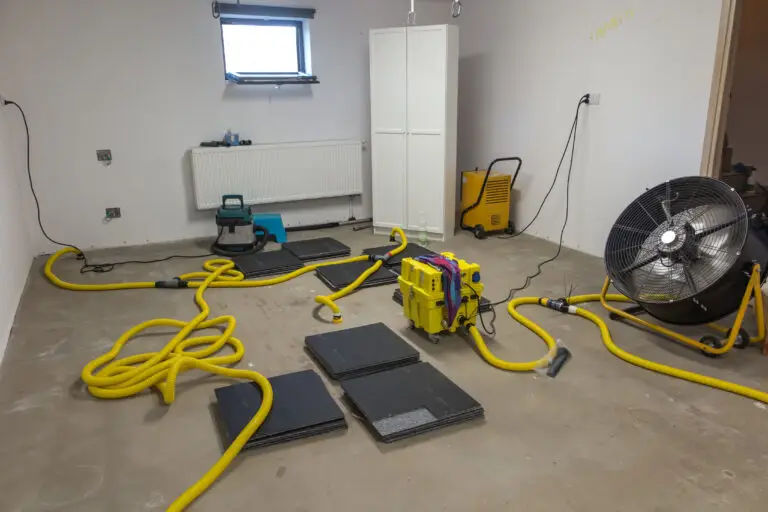
Full‑scale restoration follows with moisture mapping, thermal imaging, structural drying, and targeted repairs designed for lakefront conditions. This approach restores walls, flooring, crawl spaces, and building materials while documenting every step for insurance. Michigan City homeowners rely on this combination of speed and precision to protect the property, stop secondary damage, and return the home to pre‑loss condition as quickly as possible.

Do you have an emergency? Call us at (574) 387-2910
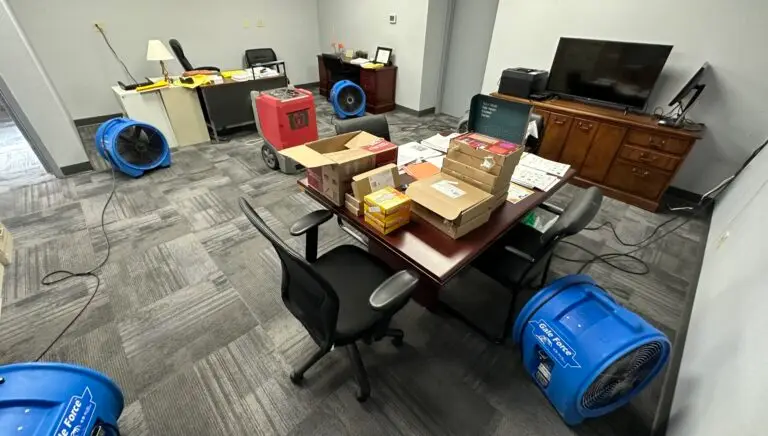
When water damage strikes, fast action is critical. Our team delivers immediate response, rapid water extraction, moisture mapping, and structural drying to stop hidden saturation, wet insulation, and rising humidity before they spread. Lake‑effect storms, burst pipes, crawl‑space moisture, and wind‑driven intrusion are contained quickly with professional stabilization and fast on‑site arrival.
Full‑scale restoration follows with thermal imaging, targeted drying, material recovery, and insurance‑ready documentation that proves the loss and speeds approvals. Homeowners schedule same‑day service to protect the structure, prevent secondary damage, and return the property to pre‑loss condition with precision and care.
-
ZIP Codes We Serve
46360 • 46361